
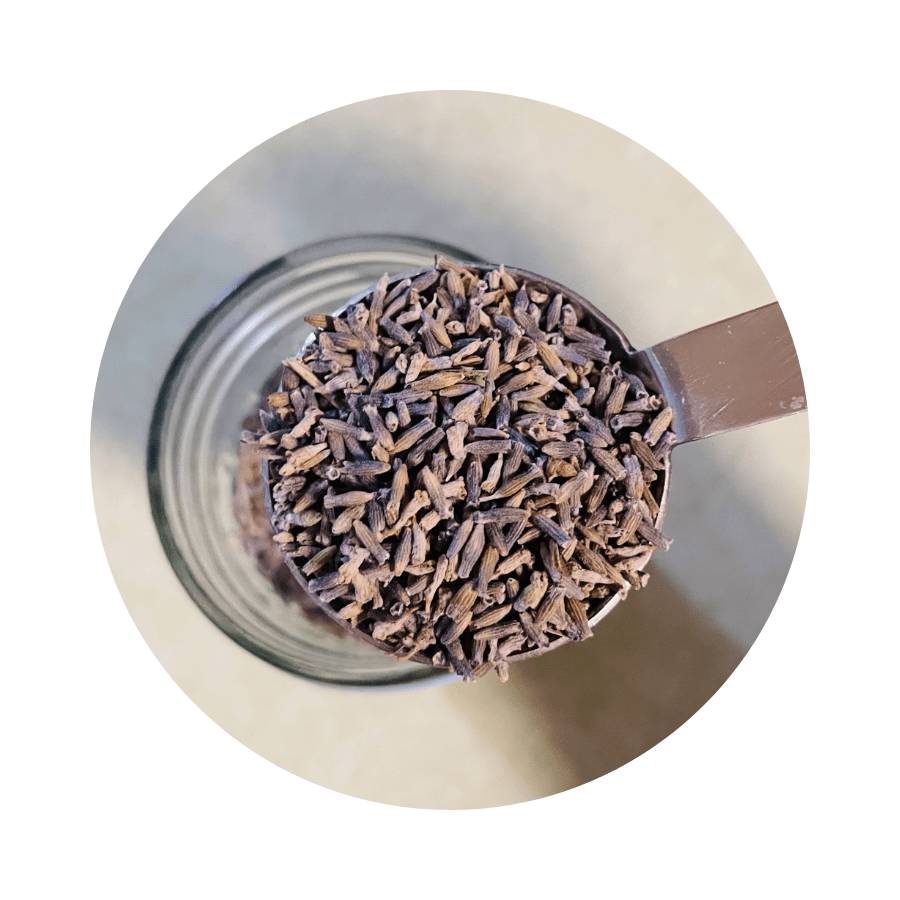
There’s something about lavender that feels older than all of us.
When Rosemary Gladstar shared that women once clutched sprigs of lavender during labor, squeezing them through contractions to support their breath, ease fear, and call in courage, it completely changed the way I saw this plant.
That scent we associate with clean laundry and bedtime?
It once filled birthing rooms long before fluorescent lights and hospital monitors.
As a former doula, that stays with me.
What It Actually Does
Lavender is best known for easing tension that builds in the body.
Not heavy or sedating.
More like a slow exhale.
It supports:
- Stress headaches
- Irritability and emotional overwhelm
- Restlessness, especially at the end of the day
- Muscle tightness from holding tension
- Mild digestive upset connected to stress
- Minor burns and insect stings (topically)
Because so much tension is held in the nervous system, lavender often shows up in both physical and emotional ways at the same time.
It contains compounds like linalool and linalyl acetate that act on the nervous system, but what you’ll usually notice is simple: things start to loosen.
When I Reach for It
In our house, lavender is the “chill out, brother” herb.
I reach for it when:
- Tempers are rising
- Someone is holding a stress headache
- The energy feels tight or overstimulated
- A child is having a hard time settling
- The day feels like it’s still stuck in the body
I don’t lecture. I just hand over the bottle and say, “Breathe.”
It works more often than not.
It’s also something I lean on during PMS or hormonally intense seasons when irritability, headaches, or restlessness feel closer to the surface. It doesn’t change the hormones, it just helps take the edge off.
How I Use It
Lavender is versatile, but simple use is usually enough.
Aromatic (most common):
A drop or two in a diluted roller, rubbed on writsts and inhaled slowly. This is my go-to for quick shifts in mood or tension.
Topical:
Diluted with a carrier oil and applied to temples, neck, shoulders, or abdomen for headaches, muscle tightness, or menstrual discomfort.
Baths:
A few diluted drops added to warm water to help the whole body relax, especially after overstimulating days.
Tea (mild infusion):
½–1 teaspoon dried lavender per cup of hot water, steeped covered for 10–15 minutes. The flavor is strong, so I often blend it with other herbs, (chamomile pairs well). Best for mild tension or when you want a more internal, gentle effect.
Less is usually more with lavender. Too much can feel overpowering.
Children & Safety
Lavender is widely used in family settings when used appropriately.
For children, I keep it to:
Light aromatic use
Well-diluted topical application
Essential oil should always be diluted, especially for younger children and sensitive skin.
As with all herbs, paying attention to how the body responds matters more than using large amounts.
Why It Stays in My Rotation
Lavender is one of those herbs that meets you right in the moment.
When everything feels tight, loud, or overstimulated, it helps create just enough space to come back down.
It doesn’t force the body to calm down.
It simply supports that shift.
And most days, that’s exactly what’s needed.

 The Colorful Herbalist
Leave a comment