
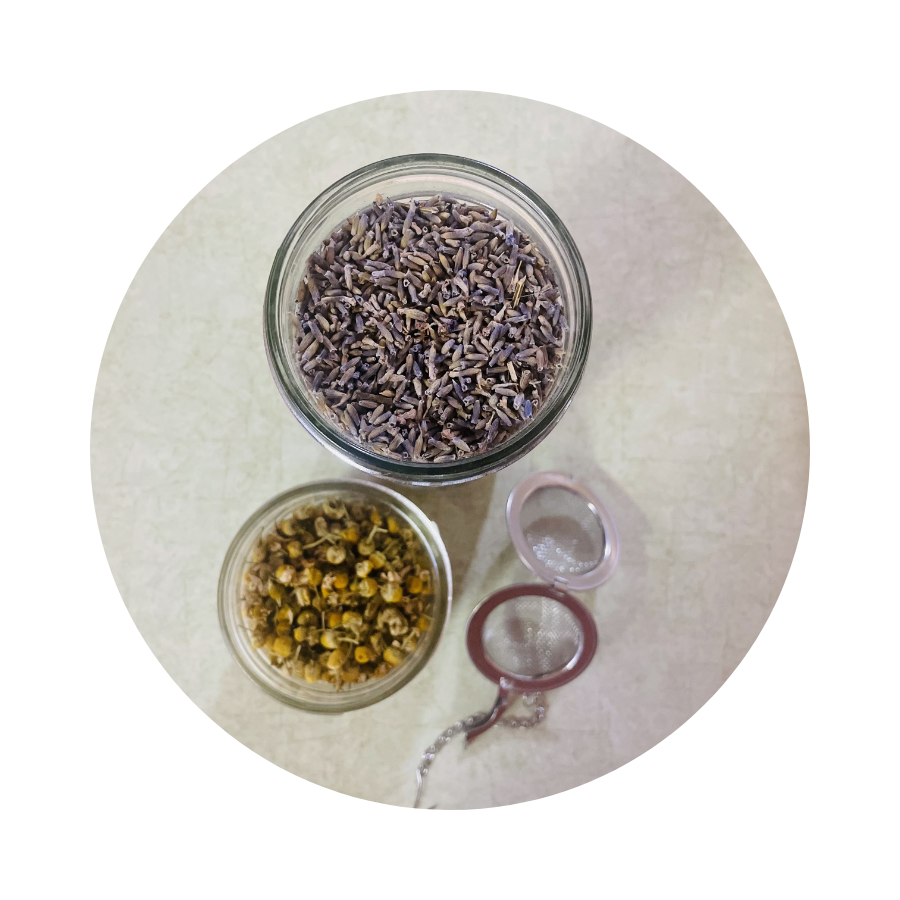
If you’re new to herbal medicine, it can feel like stepping into a world of glass jars, Latin names, and endless tincture bottles. The information out there can feel overwhelming in all the worst ways.
Let me reassure you right away..
You do not need a cabinet full of herbs to begin.
You do not need to memorize plant families.
You do not need to replace your doctor.
Herbalism, at its heart, is simple. It is slow. It is relational.
And the safest way to begin is also the gentlest.
Start With Simplicity
When people first discover herbal medicine, they often want to buy everything. But true herbalism isn’t about collecting remedies, it’s about learning what works for you and your family and incorporating the herbs into your daily lives.
Start with three to five gentle herbs. That’s it.
Choose plants that are:
- Mild and safe for everyone in the family
- Familiar or food-like
- Helpful for common, day-to-day imbalances
Your goal should be to build confidence, not a pharmacy.
Many Herbalists Begin With Kitchen Herbs
Some of the best beginner herbs are probably already in your kitchen.
Here are a few beautiful plants to begin with:
Chamomile – calming to the nervous system, soothing for digestion, supportive before bed.
Peppermint – cooling, uplifting, helpful for bloating or tension.
Ginger – warming, stimulating, wonderful for nausea and circulation.
Nettles – deeply nourishing and mineral-rich, especially supportive during seasons of depletion.
Calendula – gentle, supportive for skin and lymphatic flow.
These herbs are approachable, affordable, and forgiving. They allow you to build a relationship with plants in a safe way.
Many of these herbs are traditionally used for children in gentle preparations, but dosage and context matter. When in doubt, seek guidance.
Start With Tea Before Tinctures
Tea is the best teacher.
When you drink an herb as tea, you taste it. You feel it. You notice how your body responds. Tea works gently and gradually, which makes it naturally safer for beginners.
There are two simple preparation methods:
Infusion – used for leaves and flowers. Pour hot water over the herb and steep.
Decoction – used for roots and bark. Simmer gently on the stove to extract their strength.
Tinctures are wonderful tools, but they are concentrated. Tea invites slowness and awareness. And awareness is one of the most important safety practices in herbalism.
Respect the Plants and Your Body
Herbs are powerful. “Natural” does not automatically mean safe. Each plant acts differently, can interact with medications, and may not be appropriate in certain seasons of life. More is not better, and stronger is not always wiser.
Home herbalism is best for mild, short-term concerns and everyday discomforts. If something feels severe, persistent, or beyond your comfort level, seek medical care. There is strength in knowing when to ask for help.
Herbalism is a relationship. It asks you to slow down and pay attention. Your body is always giving feedback. The more you notice, the more confident you become.
You don’t need to know everything to begin.
Start with one plant. One cup of tea.
Keep it simple. Stay observant. Learn slowly.

 The Colorful Herbalist
Leave a comment