
Nettle was one of the first herbs I started using consistently, mostly because it made sense.
It isn’t complicated.
It isn’t trendy.
It’s food-level nourishment in plant form.
Urtica dioica is rich in minerals: iron, calcium, magnesium, potassium, and more.
When people are depleted (pregnancy, postpartum, heavy cycles, chronic stress), mineral support matters. Not in a flashy way. In a foundational way.
That’s where nettle comes in.
Why I Recommend It
Most people I talk to aren’t lacking exotic herbs.
They’re lacking:
- Consistent nourishment
- Mineral density
- Slow rebuilding support
Nettle leaf works well for:
- Heavy or draining menstrual cycles
- Pregnancy and postpartum nourishment
- General fatigue related to depletion
- Long-term reproductive support
It doesn’t force the body to do anything. It gives the body raw material to work with.
How I Use It
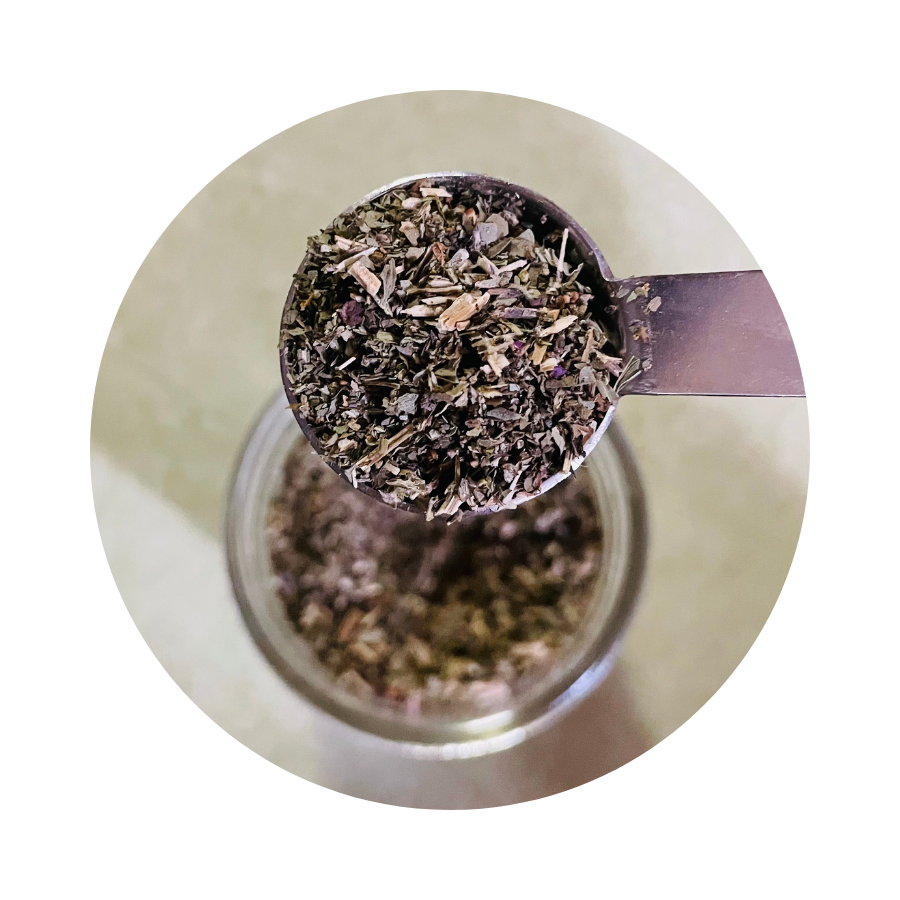
If I’m using nettle for it’s nutritional benefits, I make a long infusion.
½–1 ounce dried leaf
Boiling water
Steep 4–8 hours, covered
That long steep extracts the minerals. A quick tea tastes good, but it doesn’t do the same job.
Most days, I drink it cool throughout the day.
But I’ve recently started adding a handful of dried nettle leaf to broths and long-simmered soups. It blends right in and increases the mineral content without changing the flavor much. If I’m already making bone broth, it’s an easy way to deepen the nutritional value.
Nothing fancy. Just consistent use.
Safety
Nettle leaf is widely considered safe for regular use, including during pregnancy and for children in gentle amounts. As always, individual considerations apply.
Why It Matters
Herbalism doesn’t always have to be complex.
Sometimes the most supportive thing you can do is consistently nourish your body in a simple, sustainable way.
For me, nettle represents that kind of practice.
Steady. Practical. Effective.

 The Colorful Herbalist
Leave a comment